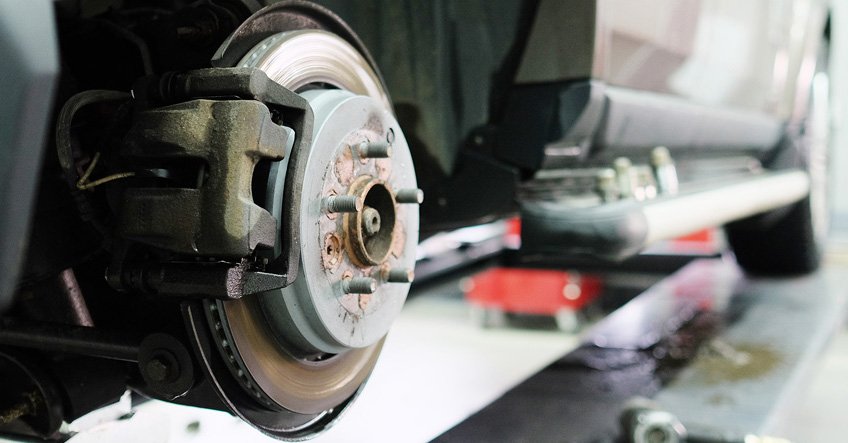
Professional Brake
Repair Services
In Walnut Creek, CA
Stop-and-go traffic and everyday East Bay driving puts constant stress on your brakes. Whether you're hearing squealing, feeling vibrations, or noticing reduced stopping power, our certified technicians can quickly diagnose the issue and restore your vehicle's braking performance.

Brake Repair:
Frequently Asked Questions
Have A Question?
-
Brake squealing is often caused by worn brake pads, glazed rotors, or debris trapped between brake components. While some noises are harmless, persistent squeaking is a sign your brakes should be inspected before more expensive damage occurs.
-
Most brake pads last between 30,000 and 70,000 miles, depending on your driving habits, vehicle type, and road conditions. Frequent stop-and-go driving in the East Bay may cause pads to wear more quickly.
-
A shaking steering wheel is commonly caused by warped brake rotors or uneven rotor wear. Our technicians can inspect your braking system and determine whether the rotors need resurfacing or replacement.
-
Common signs include vibrations while braking, grinding noises, or grooves visible on the rotor surface. Bad rotors can reduce braking performance and should be repaired promptly.
-
Most brake pad and rotor replacements can be completed in a few hours, depending on the vehicle and the extent of repairs needed.
-
No. A brake warning light may indicate low brake fluid, worn brake components, or hydraulic system issues. It's best to have your vehicle inspected as soon as possible.
It’s important to us that our customers know exactly what we’re going to do with their vehicle. Here’s what you can expect from Walnut Creek Brake and Tire when you bring your vehicle in for an Brake Performance Check.
Brake
Performance Check

Lift the vehicle, remove the wheels, and use precise measuring calipers to check the thickness of the remaining friction material while checking the rotors and hardware for signs of heat damage or uneven wear.
Brake Pad Inspection

To inspect rotors and drums, our tech will clean the metal surfaces, measure thickness and diameter to ensure they meet minimum safety specs, and look for structural defects like cracks, grooves, or heat spots.
Rotor & Drum Evaluation

To inspect the hydraulic system, a technician
will check the master cylinder fluid level and condition, pressure-test the lines for leaks or cracks, and inspect the calipers and wheel cylinders for torn boots or escaping fluid.
Hydraulic System Inspection

Finally, our tech will drive the vehicle at various speeds on a safe route to listen for unusual noises, ensure the pedal feels firm and responsive, and confirm the vehicle stops smoothly without pulling or vibrating.
Road Test

Common Brake Problems & Why They Matter
Your brakes rely on a combination of friction, hydraulics, and mechanical pressure, causing heavy wear on your vehicle. Whether you are driving a compact car or a heavy-duty truck, braking systems face heavy stress. These are some of the most common braking issues we see:
Worn-Out Brake Pads
Warped Rotors
Sticking Calipers
Brake Fluid Leaks
Brake Fade
Decreased Stopping Power
A Warning About Ignoring Brake Issues
Brake noises and vibrations rarely fix themselves. Continuing to drive with worn brake components can damage rotors, calipers, and other expensive parts—and more importantly, compromise your safety.
Learn More About Our Automotive Services: