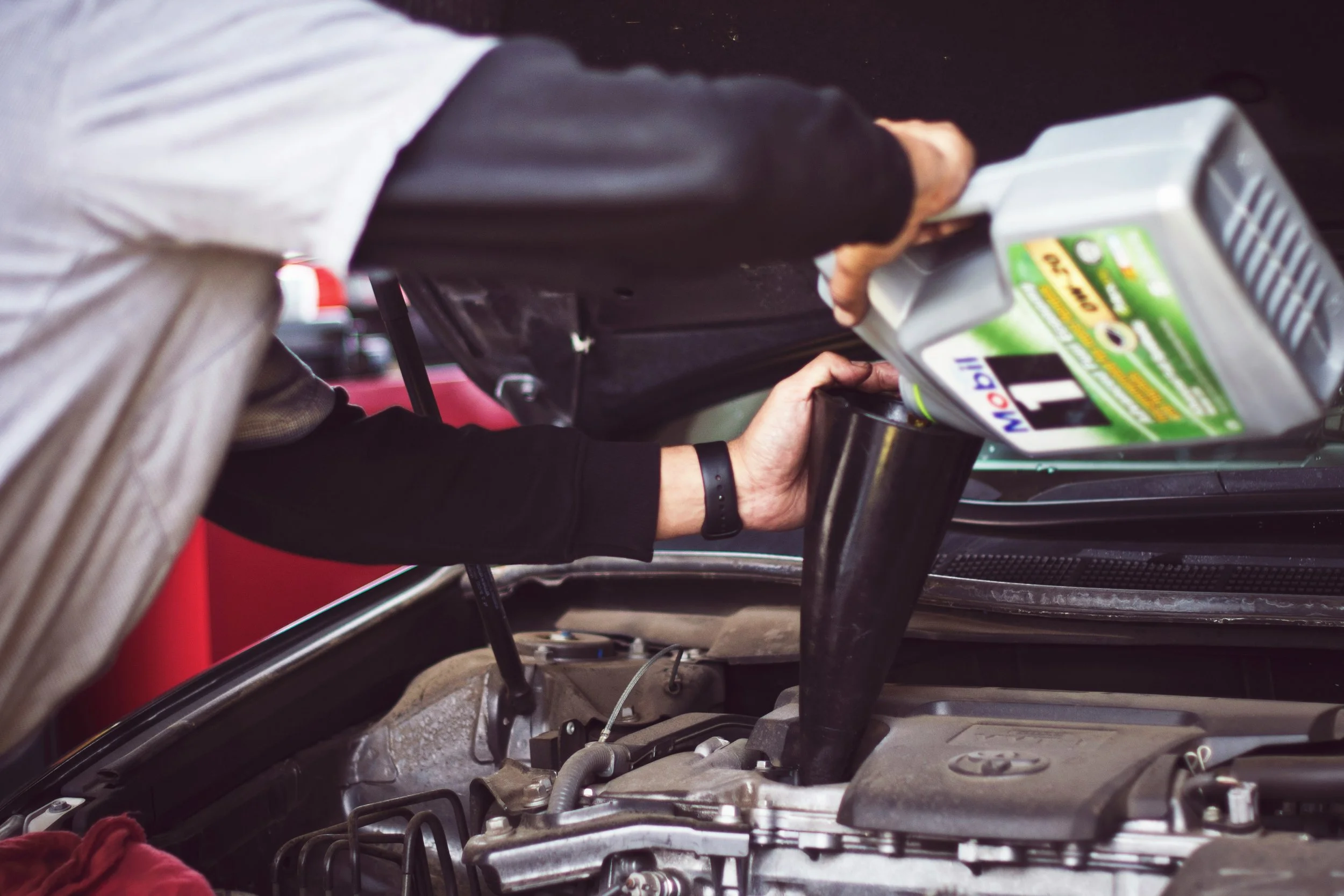
Professional Oil Changes &
Oil Leak Repair
in Walnut Creek, CA
Routine oil changes are one of the most important services you can perform for your vehicle. If you're seeing oil spots in your driveway or your oil warning light has come on, our technicians can quickly diagnose and repair the problem.

Oil Leaks & Oil Changes:
Frequently Asked Questions
Have A Question?
-
Most modern vehicles require oil changes every 5,000–10,000 miles, depending on the oil type and manufacturer recommendations. Always consult your owner's manual for the proper interval.
-
Oil spots under your vehicle are often caused by leaking gaskets, seals, or oil pans. Even small leaks should be inspected to prevent engine damage.
-
Small leaks may not cause immediate problems, but driving with low oil levels can lead to severe engine damage. It's best to have oil leaks diagnosed early.
-
Synthetic oil offers better protection against heat, lasts longer, and performs better in extreme temperatures. Many newer vehicles require synthetic oil.
-
Your oil light may indicate low oil pressure, low oil levels, or an engine lubrication issue. Continuing to drive without addressing it can cause significant engine damage.
-
The amount varies by vehicle, but most passenger cars require between 4 and 8 quarts of oil. We always refill according to your manufacturer's specifications.
It’s important to us that our customers know exactly what we’re going to do with their vehicle. Here’s what you can expect from Walnut Creek Brake and Tire when you bring your vehicle in for an Oil Performance Check.
Oil Performance Check

We drain the old oil, replace the oil filter, and refill your engine with the manufacturer-recommended oil. Regular oil changes help reduce engine wear, improve fuel efficiency, and keep your vehicle running smoothly.
Oil & Filter Replacement

Our technicians inspect the engine, seals, gaskets, and surrounding components for signs of oil leaks. Catching leaks early can prevent more costly repairs and protect your engine from damage.
Leak Inspection

We inspect and top off essential fluids—including coolant, brake fluid, windshield washer fluid, and power steering fluid—to ensure all major vehicle systems are operating properly.
Fluid Level Check

In addition to changing your oil, we perform a visual inspection of belts, hoses, and engine components to identify potential issues before they become major problems.
Engine Health Evaluation
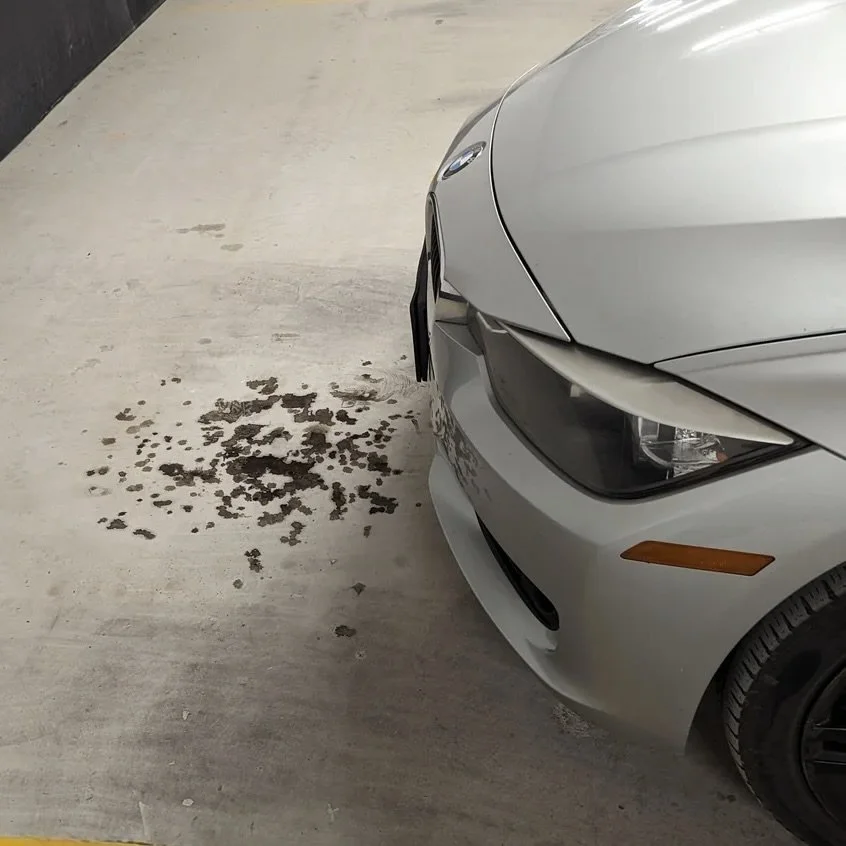
Common Oil Leak Sources
Even a small oil spot on your driveway can indicate a leak somewhere within the engine. Our techs inspect the most common failure points to quickly identify the source and recommend the right repair.
Valve Cover Gaskets
Oil Filter Housing & Seals
Oil Pan Gasket & Drain Plug
Timing Cover Seals
Rear Main Seals
PCV System Issues
Oil Pressure Sensor Seals
When Should You Have an Oil Leak Checked?
Oil leaks rarely go away on their own. Even a slow leak can gradually lower your engine's oil level, leading to increased wear, overheating, and costly repairs. If you notice oil spots under your vehicle, smell burning oil, or see your oil warning light come on, it's best to have your vehicle inspected as soon as possible.
Learn More About Our Automotive Services: